
Age-Specific Guidance for Digital Wellbeing
By Eva Kempná, Welbeing-coach
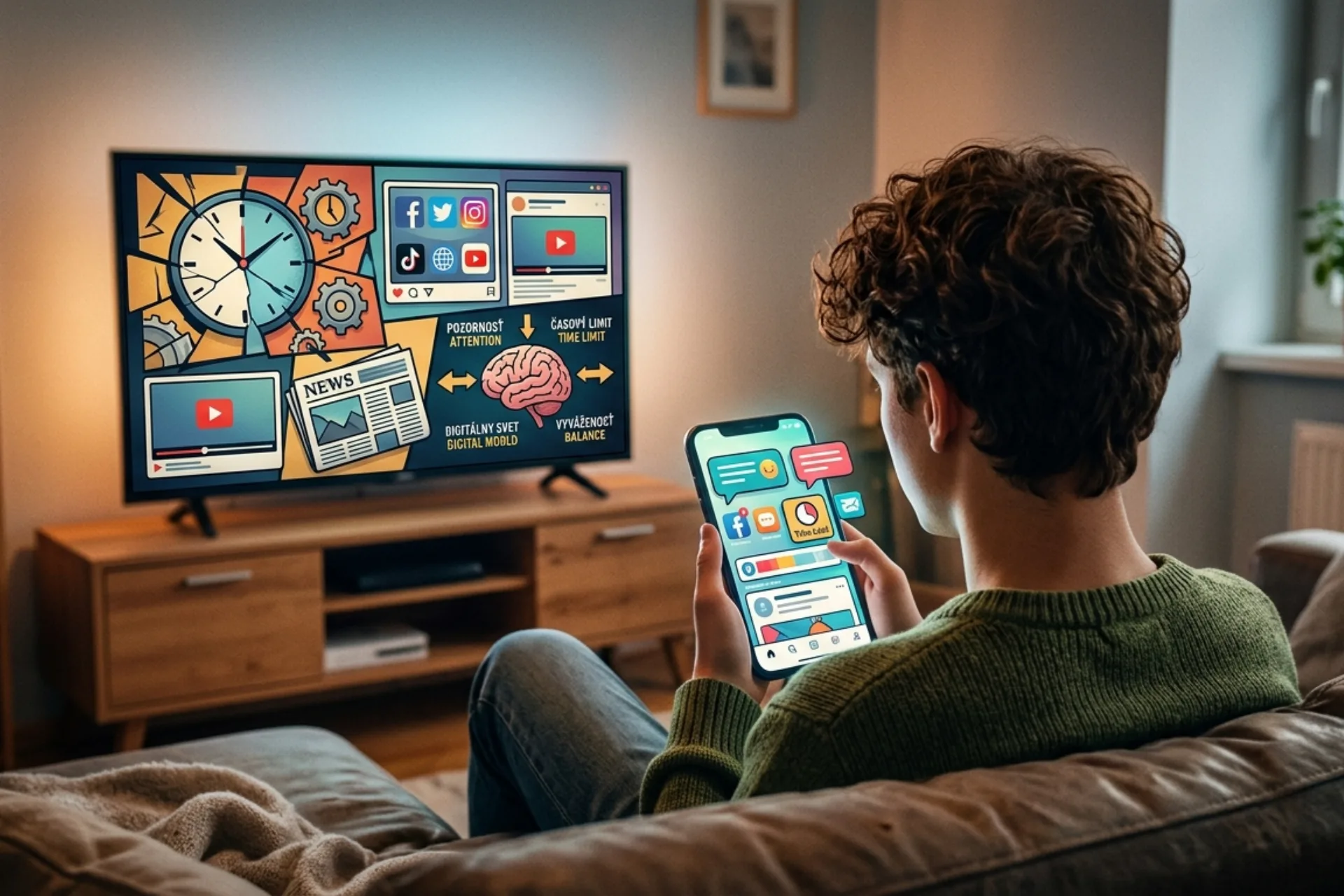
In our ongoing commitment to the wellbeing of your children, I would like to share the latest global, research-based insights regarding the use of electronic devices and social media.
Our school community is diverse, spanning from early childhood to young adulthood. While technology is a powerful tool for learning, we are all noticing that the "persuasive design" of modern platforms - especially the habit of endless scrolling - has a significant impact on a student's nervous system, focus, and emotional regulation. It also limits the time spent enjoying real relationships, experiences, and outdoor activities.
Because a child’s brain is a challenging "work in progress," the impact of digital devices changes significantly as they grow. The primary concern today is not just "screen time" in general, but how the addictive nature of social media can hijack the brain’s developing reward system.
Based on the latest global standards from the World Health Organization (WHO) and recent neuroscientific research, we recommend the following daily limits to protect your child’s brain chemistry:
Age-Specific Recommendations:
Age Group | Recommended Daily Limit | Focus & Key Research |
|---|---|---|
Primary (Ages 6–11) | Max 1 hour | Focus on high-quality, educational content. Research suggests that excessive screen time at this age can interfere with the development of "executive functions" like focus and emotional control. |
Early Teens (Ages 12–14) | 1.5 – 2 hours | This is the most sensitive period for social rewiring. Experts strongly recommend no social media before age 13 and strictly supervised use thereafter to protect self-esteem and sleep. |
Teens (Ages 15–18) | Self-Regulation | Focus on "quality over quantity." The goal is to help them manage their own "digital health - ensuring devices do not displace sleep (8–10 hours), exercise, or face-to-face study. |
To build Inner Strength and Resilience, we recommend implementing these three Golden Rules at home:
- Sleep First: Devices off 60 minutes before bed. Blue light and rapid content prevent the brain from entering the deep sleep necessary for memory and learning.
- Device-Free Connection: Protecting meal times as "phone-free zones" allows for the face-to-face connection that lowers cortisol and strengthens family bonds.
- The "Active Balance" Rule: For every hour of digital consumption, aim for an hour of physical movement or "deep play" (no screens) to balance the dopamine reward system. We encourage as many outdoor activities as possible (Dopamine vs. Cortisol).
Further Reading & Research
WHO Guidelines on Physical Activity and Sedentary Behaviour: Global standards for healthy development.
Sapien Labs - Age of First Smartphone: A study showing the correlation between the age of first smartphone use and adult mental wellbeing.
Our goal is to master technology, rather than fear it. By setting healthy boundaries, we aren't just "taking things away" – we are giving our children back the time they need for deep focus, critical thinking, real social connections, and real-world experiences. We are giving them the space to build true Inner Strength.
Photo Credit: Visual created using AI